
ICE SHSM Challenge for Guelph Food Bank at Communitech Waterloo
When WCDSB Students Reimagined Food Bank Access at Communitech
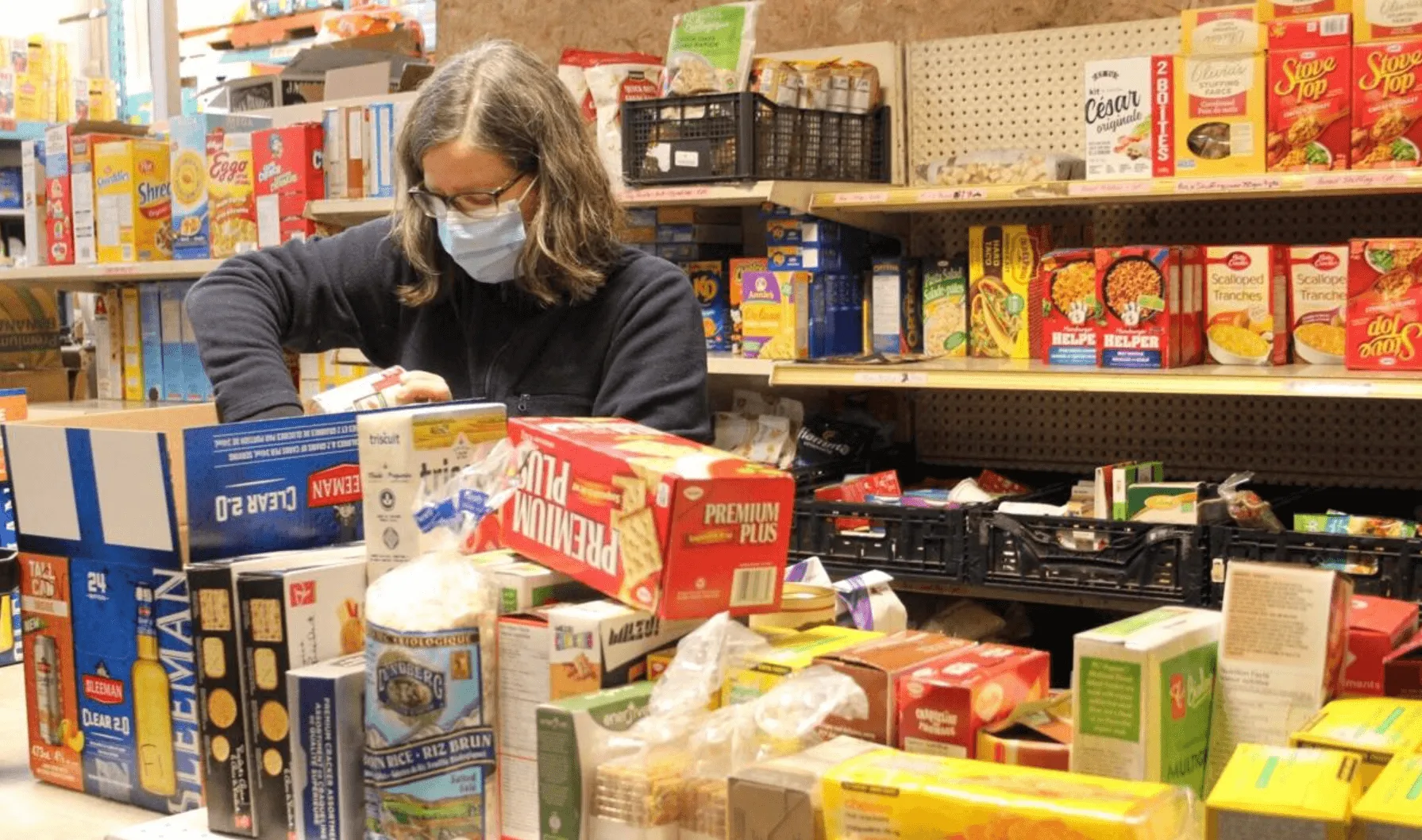
Students from the Waterloo Catholic District School Board walked into Communitech and spent a day redesigning how a food bank serves its community. The challenge came from Guelph Food Bank, and the solutions students developed addressed problems the organization is actively working through right now.
This is the kind of SHSM experience that changes how students think about their role in their own communities.
The ICE Challenge: Two Streams, One Real Problem
The workshop was structured as an Innovation, Creativity, and Entrepreneurship (ICE) Challenge rooted in a real design thinking framework. The partner was Guelph Food Bank. The central question was about reimagining support and belonging. How might the food bank expand access, reduce barriers, and make support feel dignified and welcoming for the people who need it most?
Students worked in two streams.
The Community Partnerships and Access stream explored three angles for Guelph Food Bank:
- expand into new partner locations
- bring food support closer to neighbourhoods
- redesign the welcome experience so that accessing support feels respectful and easy to navigate
Teams identified what makes a partner location a good fit, built plans to activate new partnerships, and considered how to make decentralized access both efficient and sustainable.
The Youth and Family Engagement stream tackled a different angle. How might the food bank motivate more people, especially youth and families, to support its mission through modern, accessible actions? Students designed strategies to:
- make contributing simple and relatable
- spark youth-led participation
- raise awareness about food insecurity in local and personal terms
- build emotional connection by showing real community impact
Why Communitech Was the Right Setting
Communitech in Waterloo is one of Ontario’s most recognized innovation hubs. Hosting the ICE Challenge there placed students in an environment designed for exactly the kind of thinking the day demanded. Collaborative problem solving, rapid prototyping of ideas, and pitching solutions under real constraints.
The setting communicated something important to students before the workshop even began. They weren’t in a classroom working on a hypothetical. They were in a space where real companies and organizations come to solve real problems. That framing influenced how seriously students took the work. The shift in posture between “assignment” and “brief from a real partner” is visible in the room within the first hour.
The Guelph Food Bank Partnership
Carolyn McLeod-McCarthy, Director of Marketing, Fundraising, and Community Engagement at Guelph Food Bank, brought the challenge to students and engaged with their proposals with genuine interest. Her presence in the room shifted the dynamic. Students weren’t designing for an imaginary client. They were presenting to someone who would take their ideas back to the organization and consider what might be implementable.
Food insecurity is not an abstract concept for many Ontario communities. According to Food Banks Canada’s HungerCount, food bank visits across the country have remained at record highs in recent years. The Ontario share of that demand runs through exactly the kind of neighbourhood partners Guelph Food Bank was asking students to help them expand into. Students working on this challenge were engaging with an issue that touches real families, including potentially their own neighbours and classmates. That proximity to the problem created a level of investment and thoughtfulness that more distant topics sometimes fail to generate.
What Carries Beyond the Day
The combination of a real partner, a real problem, and a professional environment created conditions where students could practice the full arc of design thinking:
- empathizing with users
- defining problems
- ideating solutions
- prototyping concepts
- presenting their work to someone with the authority to act on it
Students developed skills in stakeholder analysis, community-centered design, and persuasive communication. They practiced working under constraints, making trade-offs, and defending their choices. These competencies translate across sectors and career paths. That skill of listening closely to a stakeholder and shaping a proposal around their actual constraints shows up across business strategy, healthcare policy, and municipal planning. It applies to nearly every role that involves working with a partner rather than handing them a finished product.
The ICE certification requirements were met through the workshop, but the learning extended well beyond the administrative framework of SHSM. Students left Communitech with a deeper understanding of how community organizations operate, what challenges they face, and how design thinking can be applied to social problems. It also sits alongside other ICE Challenge formats LearnIt has run this year, including a session where TCDSB students acted as AI consultants at Slalom. Different partners, same pattern: a real brief, an authentic setting, and enough trust to let students pitch a room of adults who might actually use the ideas.
Thank you to the students and educators from the Waterloo Catholic District School Board for showing up ready to think hard about something that matters to their community.