When TCDSB Students Learned Podcasting by Actually Making Podcasts
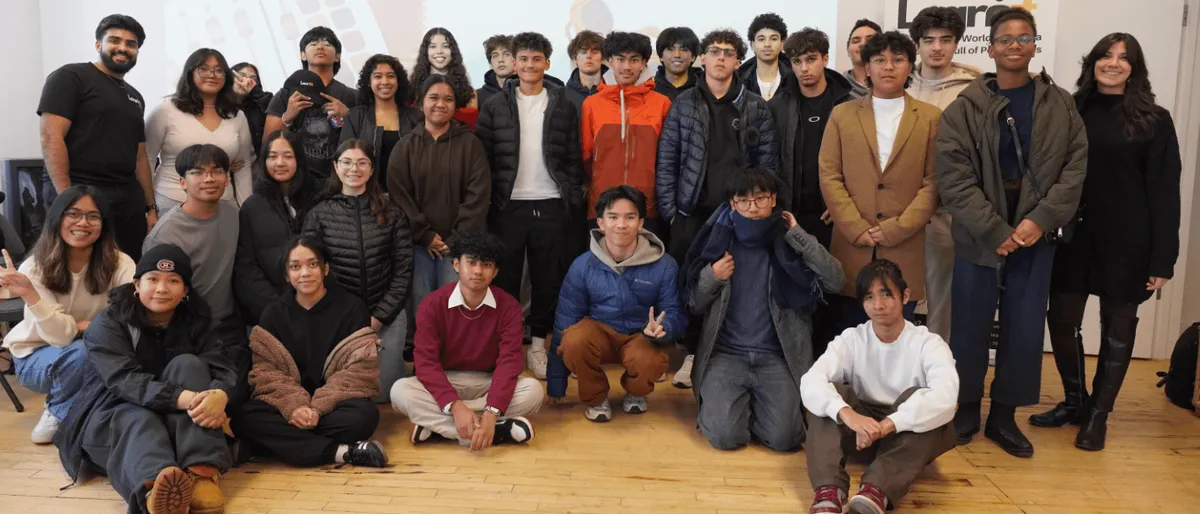
On November 13th, a group of students from Marshall McLuhan Catholic Secondary School spent three hours at LVL UP Studios in Toronto. They walked in with notebooks and curiosity. They walked out with their first completed podcast episodes.
This is what happens when SHSM programming moves beyond traditional classroom delivery.
The SHSM Workshop
LVL UP Studios is a 2,000-square-foot creative space where content creators, videographers, and photographers work on professional projects. For one afternoon, it became a learning lab for TCDSB students in the ICT (Information and Communications Technology) SHSM program. ICT is part of the broader Specialist High Skills Major initiative run by the Ontario Ministry of Education.
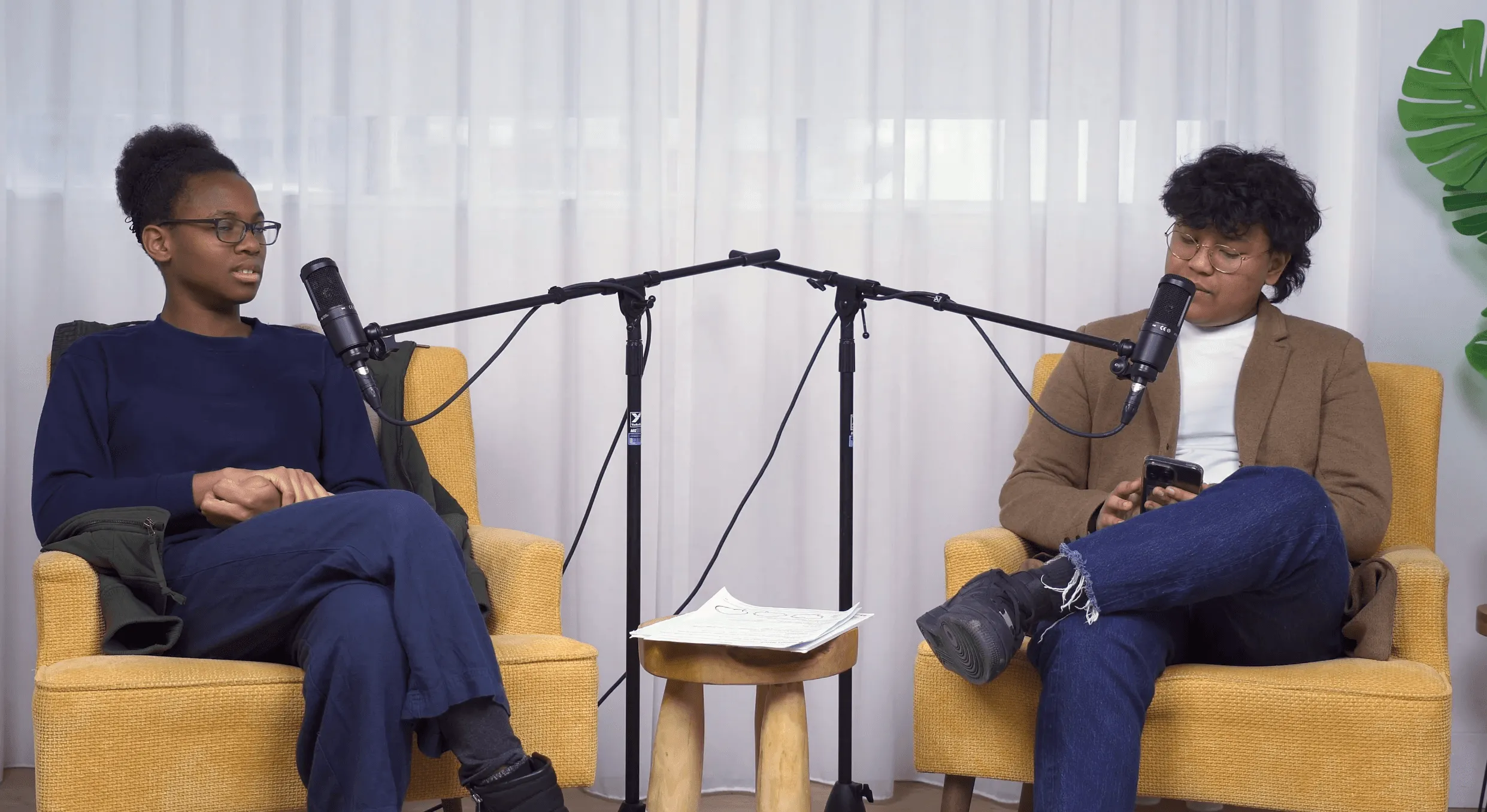
The session covered podcast fundamentals: identifying compelling stories, structuring episodes, scripting segments. Then students moved to the practical work. They developed their own ideas, wrote scripts, collaborated with peers, and recorded actual podcast content using professional equipment.
Students weren’t just engaged. They were invested. The energy came from creating something real, not completing an assignment.
Each student left with their own recorded podcast segment and the knowledge to keep creating.
Why This Matters
There’s a difference between learning about podcasting and actually making a podcast. The first happens in lectures and readings. The second happens when you hold a microphone, structure a conversation, and hear your voice played back.
That difference matters especially in SHSM programs, where the goal goes beyond content knowledge. Students need to experience what working in their field actually feels like. They need to develop sector-specific competencies and understand professional standards.
You can’t teach the confidence that comes from recording your first episode until they actually do it.
What Made It Work
A few things created the conditions for this workshop to succeed:
- The setting was authentic. LVL UP Studios is a real workspace where professionals create content. Students weren’t in a classroom simulation. They were in an actual studio using actual equipment.
- The outcome was tangible. Students didn’t create practice exercises to be graded and discarded. They created podcast episodes they could share. That shifts how seriously students take the work.
- The instruction came from someone doing the work. Dhiraj Hariramani, who led the session, hosts “Behind the Chalkboard,” a podcast featuring education leaders across Ontario. He could speak from direct experience about what makes podcasting work.
Beyond Technical Skills
Students learned how to operate recording equipment and structure audio content. They also developed skills that transfer across careers:
- speaking clearly under pressure
- collaborating on creative projects
- receiving and incorporating feedback
- managing a production process from concept to completion
These competencies matter whether students pursue podcasting, video production, journalism, marketing, or entirely different paths. The ICT focus of their SHSM program provided the context, but the skills extend beyond any single sector.
This workshop offers a replicable model. Not every school has access to a studio like LVL UP, but every community has professional spaces where students could learn. Think design firms, tech companies, healthcare facilities, trades workshops, and nonprofit organizations.
The key is focusing on creation. Students need to make something, build something, produce something real. Observation has its place, but creation drives deeper learning.
Start with one partnership. Reach out to one business or organization aligned with your SHSM sector.